
Is Your HR Function Driving Business Results…
or Just Activity?
Take this short assessment to evaluate whether your HR Function is operating as a trust business partner - or simply supporting activity.

The ‘Knob’ Most Organizations Miss.
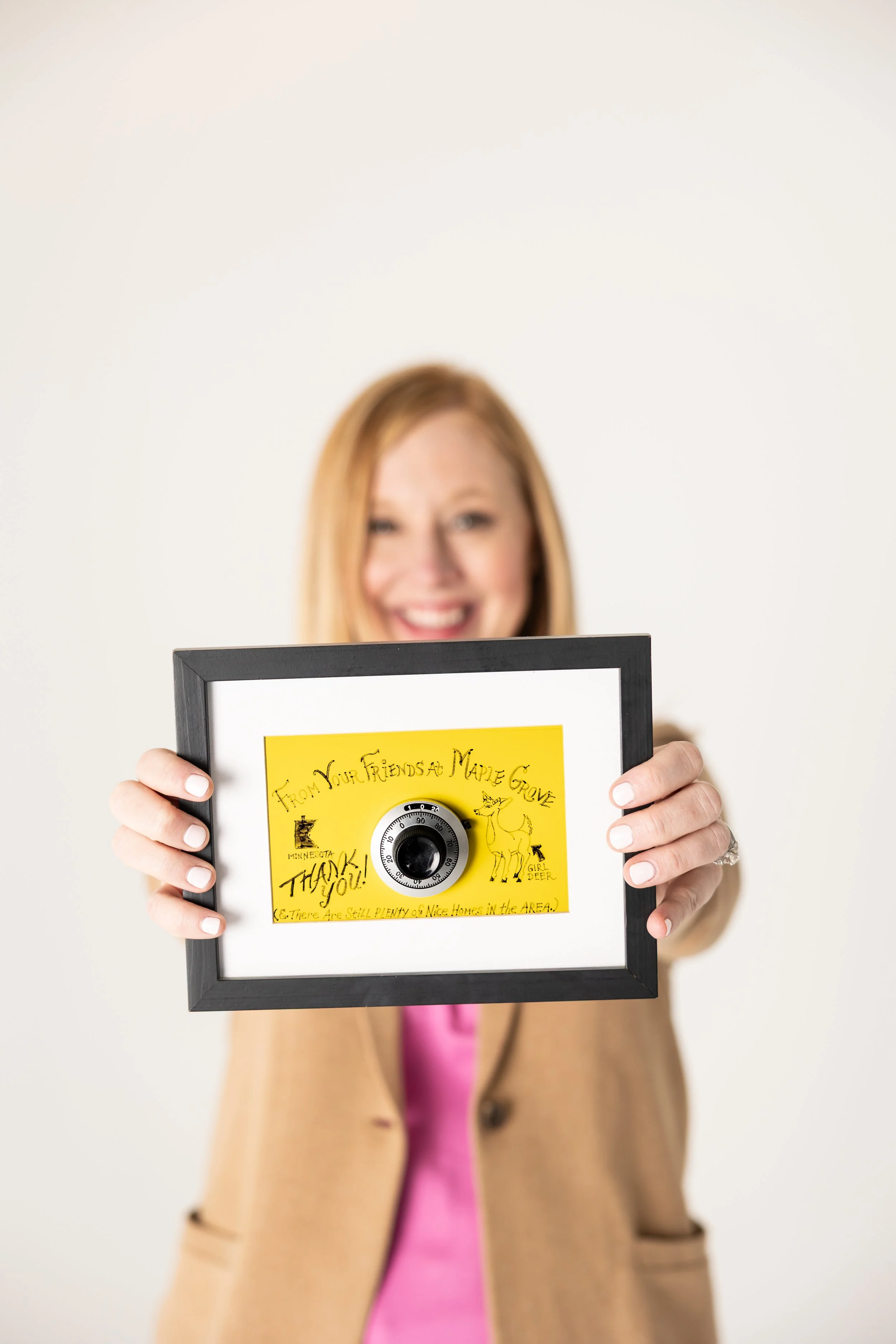
Early in my career, I stood on a manufacturing floor staring at a massive printing press and asked:
“Wait… that tiny knob controls this entire machine?”
It was hard to believe something so small could have such a significant impact.
That moment stuck with me.
Because in many organizations, HR is active—but not always connected to how the business actually works. And without that connection, even good efforts can miss the mark.
This assessment helps you evaluate whether your HR function is truly influencing the business—or simply operating alongside it.

Why This Matters.
Many HR functions are busy, but not clearly driving business outcomes.
Leaders often lack visibility into HR’s true impact.
Misalignment leads to inconsistent execution, weak leadership decisions, and missed growth.
What This Assessment Will Show You
Whether HR is aligned to your business priorities.
Where HR is creating value, and where it may be falling apart.
The biggest risks in your current approach.
Where to focus first.
HR Business Impact Assessment
Takes 5-7 minutes…no preparation required!